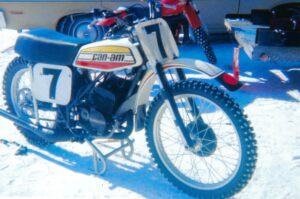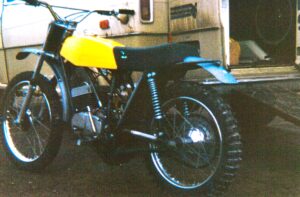
November 1971 - can-am number 1 is available for testing
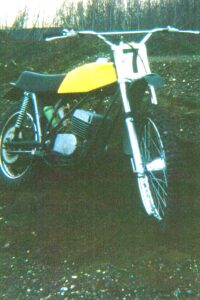
Dave McLean is not a name that features predominately in any discussion about can-am's, but his involved with the development of the commenced in the very earliest days, being one of the first hires once Gary Robison and Bob Fisher had arrived. Tall, thin, softly spoken, Dave was a successful Canadian flat track racer and motorcycle mechanic who was given the opportunity to joining can-am in February 1971 to help develop the bikes. Dave knew Bob Fisher through his flat racing success, whilst working full time at Sonic Motorcycles, Bill Sharpless motorcycle business.
Dave also had the foresight to photograph, collect documents and record the development of the bikes. His little Kodak Instamatic camera captured some great shows, as shown below. Why no pictures of Gary Robison? According to Dave, Gary had an aversion to having his photo taken, so Dave often had to quickly sneak photos.
Now in his 80's, Dave has sat down and written a fantastic 7 parts series which tells the story, in his own words, on the development of the bikes and his involvement - giving can-am fans the most complete record so far as to what actually happened.

Dave McLean and Jeff Smith with a late 1972 prototype can-am in the R&D centre
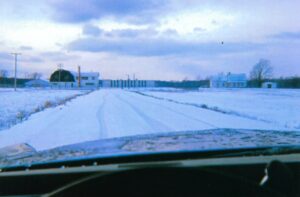
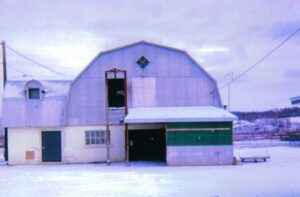
The original R&D team "barn" - now the Circuit Yvon Duhamel test facility
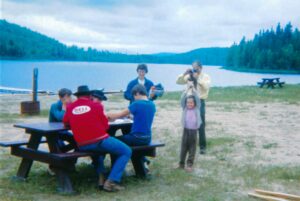

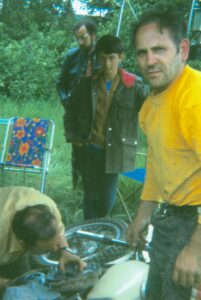
Jeff Smith in Chicoutimi, Quebec in the summer of 1972, with his son James and Gary Robison examining the clutch.
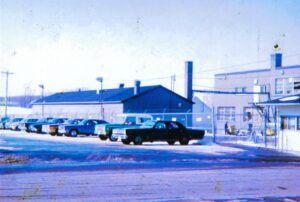
The ski-door competition centre
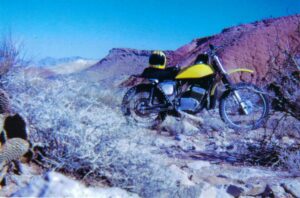
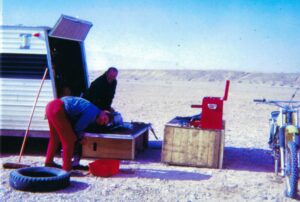
can-am broken outside of Los Vegas, Nevada. Jan. 1972, awaiting for 4-wheel drive pickup truck rescue.
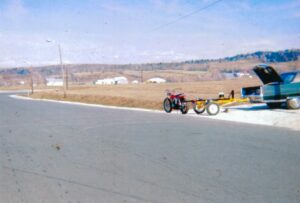
The R&D centre test track in 1971

The very rocky terrain surrounding Las Vegas, Nevada, Jan. 1972 was chosen to test the engine, drivetrain and frame.